
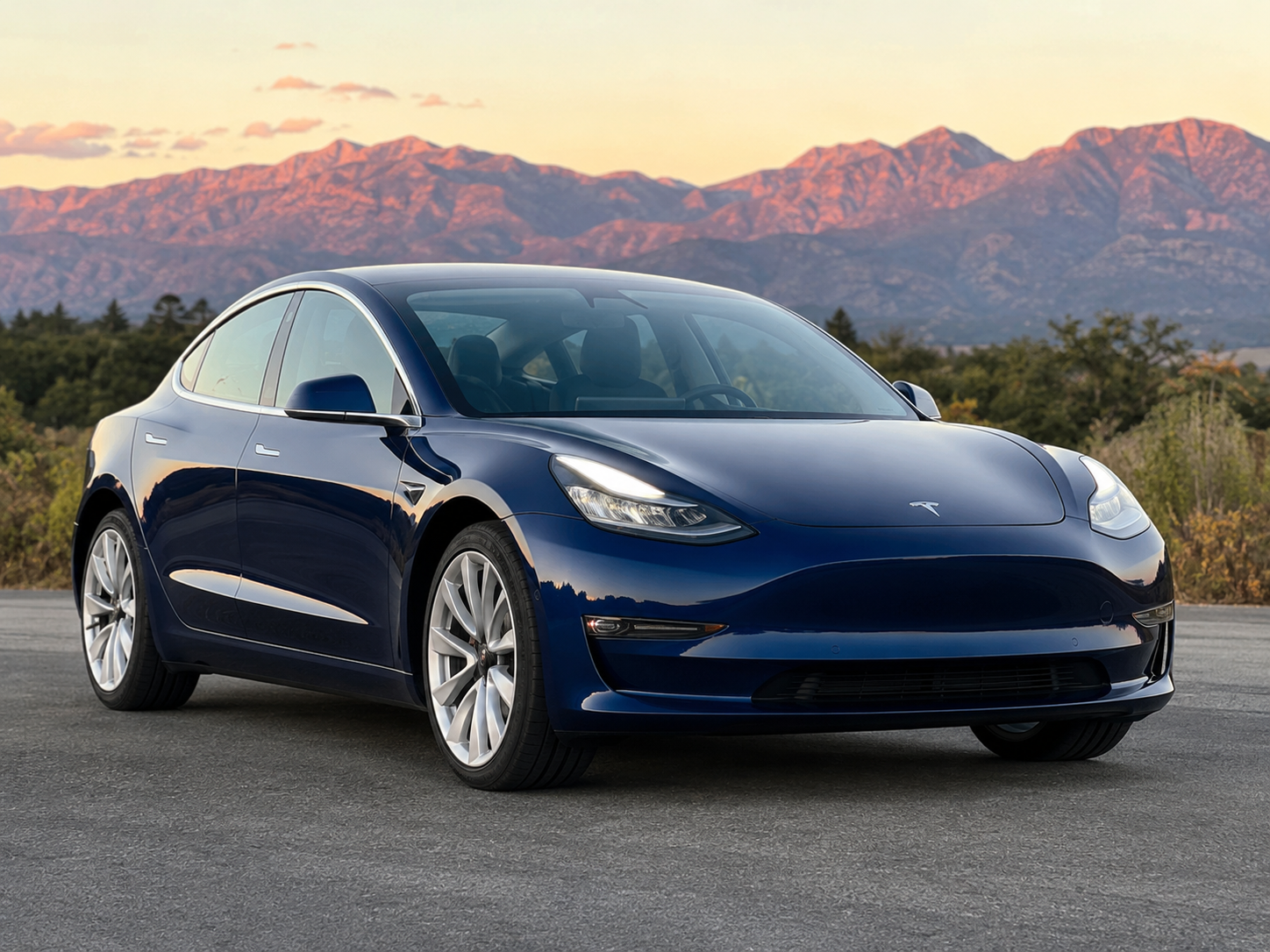
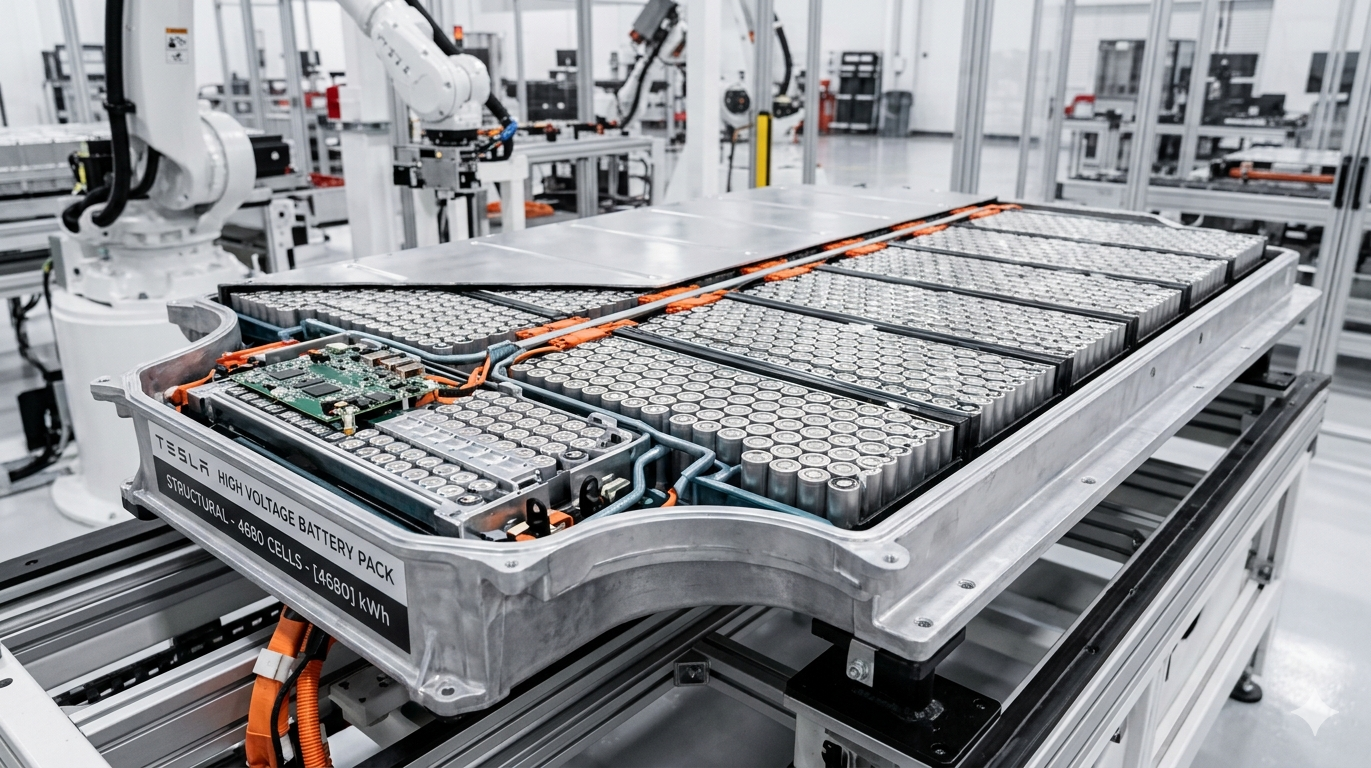
For many Tesla owners, the battery is the single biggest concern when thinking about long-term ownership. While electric vehicles are known for lower running costs and fewer moving parts than petrol or diesel cars, the high-voltage battery remains one of the most valuable components in the vehicle.
At EAC Electric, we understand that questions around EV battery replacements can feel daunting. This guide explains typical replacement costs, key factors that affect battery lifespan, warranty considerations, warning signs to look out for, and how regular EV maintenance can help protect your vehicle’s performance and long-term value.
The cost of replacing a Tesla battery can vary widely depending on the model, battery size, labour, parts availability and whether a full pack replacement or module-level repair is required. In the UK, general EV battery replacements are commonly estimated between £5,000 and £15,000, with premium or larger battery vehicles potentially exceeding that figure. Tesla-specific estimates are often higher, with some UK guides placing Tesla battery replacement costs at around £8,000 to £20,000, depending on model and repair route.
The important point is that not every battery issue automatically means a full battery replacement. Some problems may relate to battery management systems, cooling systems, contactors, charging faults or individual modules. A professional EV diagnostic check can help identify whether the issue is genuinely battery degradation or another fault affecting performance.
There is no single fixed price for EV battery replacements because several factors influence the final repair cost.
The first is the Tesla model. A Model S or Model X typically has a larger battery pack than some Model 3 or Model Y variants, which can affect parts and labour costs. The second is the battery chemistry and pack size, as larger capacity batteries usually cost more to replace. The third is whether the repair involves a new, refurbished or reconditioned battery pack.
Labour is another major factor. EV battery work requires specialist training, safety procedures and diagnostic equipment. High-voltage systems should only be inspected and repaired by qualified EV technicians, as incorrect handling can be dangerous and may cause further damage.
Tesla’s battery warranty can provide valuable protection, but the terms depend on the model and variant. In the UK, Tesla lists battery and drive unit warranty cover of 8 years with mileage limits that vary by model. For example, Model 3 RWD and Model Y RWD are listed at 8 years or 100,000 miles, while many Long Range and Performance versions are listed at 8 years or 120,000 miles. Model S and Model X are listed at 8 years or 150,000 miles. Tesla also states a minimum 70% battery capacity retention over the warranty period.
This means owners should not only check whether their vehicle is still within the time limit, but also whether it is within the mileage limit and whether the battery has fallen below the warranty threshold. For used Tesla buyers, confirming the remaining battery warranty should be a key part of the buying process.
Battery degradation usually happens gradually, but some symptoms should not be ignored. These include a noticeable drop in real-world range, sudden changes in estimated range, slower charging than usual, repeated charging interruptions, battery-related dashboard warnings, unusual overheating, or a vehicle that struggles to hold a charge.
A reduction in range does not always mean the battery needs replacing. Weather, tyre condition, driving style, software updates, wheel size and charging habits can all affect range. However, if the change is sudden or severe, it is worth booking a professional EV inspection.
Tesla batteries are designed to last many years, but ownership habits make a difference. Frequent rapid charging, regularly charging to 100%, allowing the battery to sit at very low charge, extreme temperatures and poor maintenance can all contribute to faster wear.
For everyday driving, many EV owners benefit from keeping the battery within a moderate state of charge where possible. Avoiding unnecessary rapid charging and keeping software and cooling systems in good condition can also help support long-term battery health.
Although EVs have fewer mechanical service items than combustion vehicles, they are not maintenance-free. Regular EV servicing can identify small issues before they become expensive faults. Cooling systems, charging components, brake systems, tyres, suspension and software-related diagnostics all play a role in overall vehicle efficiency.
A poorly maintained EV may use more energy, suffer reduced range or place unnecessary strain on key systems. Routine checks help protect performance, safety and resale value, especially for Tesla owners planning to keep their vehicle beyond the original warranty period.
Before assuming the worst, always start with diagnostics. A qualified EV technician can check battery health, fault codes, charging performance and supporting systems. In some cases, the solution may be far less expensive than a full battery replacement.
For Tesla owners, this is especially important. Battery replacement is one of the most expensive EV repairs, so understanding the true cause of the problem is essential before making a decision.
The real cost of EV battery replacements is not just the price of the battery itself. It includes diagnostics, labour, warranty status, vehicle age, maintenance history and the long-term value of the car. With the right care, many Tesla owners can reduce the risk of major battery problems and keep their EV performing at its best.
Get in touch with EAC Electric to discuss your next service or repair via our booking page or call 01952 980579.